How to Clean Different Types of Shower Floors Without Damaging Them
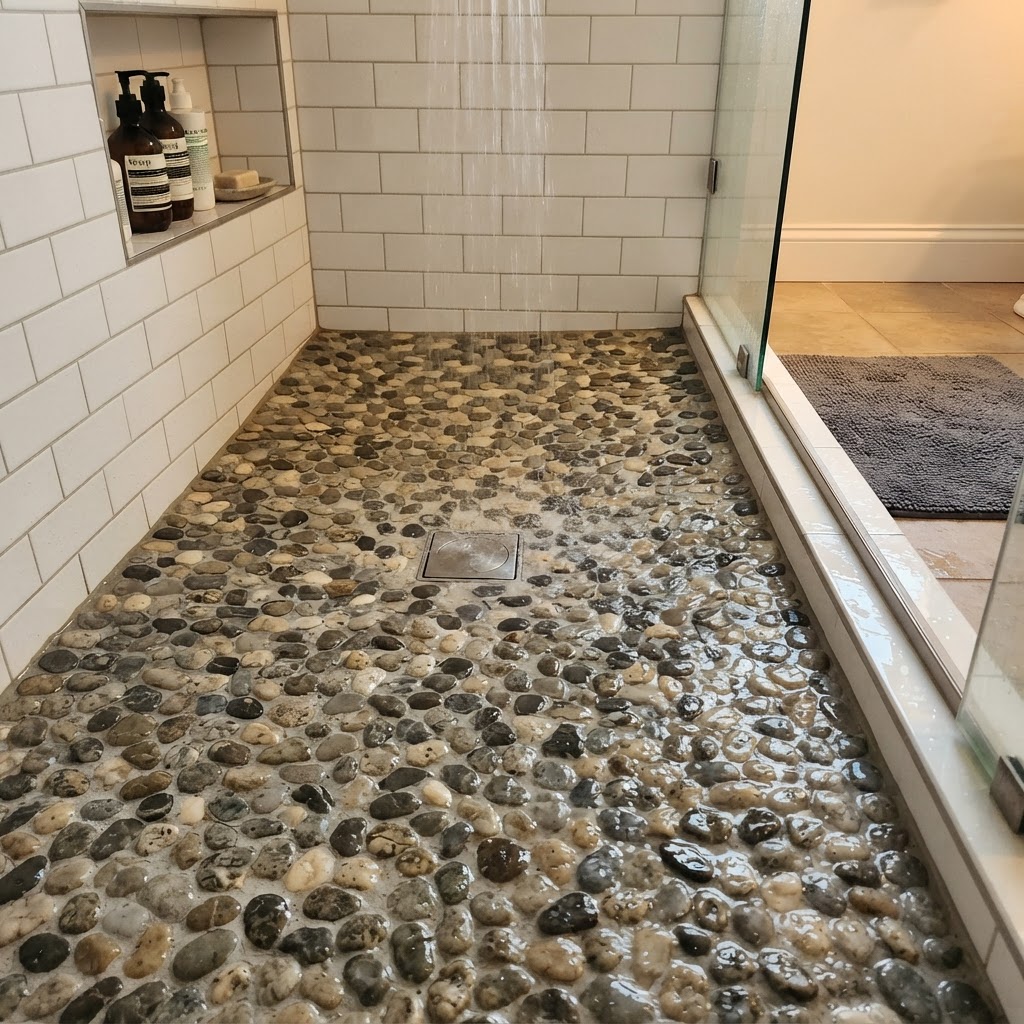
How to Clean Different Types of Shower Floors Without Damaging Them
Shower floors take a beating. Soap residue, body oils, hard-water minerals, mildew and everyday dirt can slowly build up until the floor looks completely different from when it was new.
But here’s the important part: not every shower floor should be cleaned the same way. Using the wrong chemical or scrubber can discolor, scratch or permanently damage certain surfaces.
Here’s how to clean some of the most common shower floor materials safely and effectively.
Ceramic & Porcelain Tile
Ceramic and porcelain are some of the easiest shower surfaces to maintain.
How to clean:
Rinse the floor with warm water. Apply a bathroom-safe cleaner or a mixture of warm water and mild dish soap. Allow it to sit for a few minutes to loosen buildup. Scrub with a non-scratch brush. Pay extra attention to grout lines. Rinse thoroughly and dry.
Watch out for: Abrasive tools that can scratch glazed finishes and harsh chemicals that may damage grout.
Fiberglass Shower Floors
Fiberglass can look dramatically better after a deep clean, but it also scratches easily.
How to clean:
Wet the entire surface. Apply a mild, non-abrasive bathroom cleaner. Let the product work on soap buildup before scrubbing. Use a soft sponge or non-scratch brush. Rinse completely.
Avoid: Steel wool, aggressive scrub pads and abrasive powders. Once fiberglass becomes scratched, dirt can become even easier to trap.
Acrylic Shower Floors
Acrylic needs a gentle approach similar to fiberglass.
Use warm water with mild dish soap or a cleaner specifically labeled safe for acrylic. Clean with a microfiber cloth, soft sponge or soft-bristled brush.
Avoid abrasive cleaners, rough scrubbers and strong solvents unless the manufacturer specifically says they're safe.
Natural Stone
Marble, travertine and other natural stones require extra care.
Do NOT automatically reach for vinegar.
Acidic cleaners can etch certain natural stones and permanently dull their finish.
Instead, use a pH-neutral cleaner specifically designed for natural stone and a soft brush or microfiber cloth.
For expensive or unfamiliar stone, always check the manufacturer's recommendations before applying a new product.
Textured & Non-Slip Shower Floors
Those little grooves that keep you from slipping are also excellent places for grime to hide.
Apply an appropriate cleaner and give it enough dwell time to loosen the buildup. Then use a medium or soft-bristled brush to work into the texture from multiple directions.
Rinse thoroughly so loosened dirt and cleaning-product residue don't settle back into the grooves.
Don't Forget the Grout
Sometimes the tile isn't actually the dirtiest part—the grout is.
Grout is porous and can collect soap residue, moisture and discoloration over time. A grout-safe cleaner and small grout brush can make a noticeable difference.
If grout remains permanently stained even after a thorough cleaning, it may need professional restoration or resealing rather than stronger chemicals.
How to Keep Your Shower Floor Cleaner Longer
A few minutes of maintenance can prevent hours of future scrubbing.
After showering, rinse away soap residue and hair. Keep the bathroom properly ventilated so surfaces can dry. Give the shower a regular light cleaning instead of waiting until heavy buildup develops.
Most importantly, know what your shower is made of before experimenting with strong cleaners.
A dramatic before-and-after is satisfying, but protecting the surface underneath is even more important.
Supreme Shine Services provides professional residential cleaning and deep cleaning for homeowners throughout Brandon, Valrico, Riverview, Lithia, FishHawk and surrounding Tampa Bay communities.
When everyday cleaning isn't cutting through the buildup anymore, a professional deep clean may be exactly what your shower n